
The Huawei Mate 10 Pro is an outstanding smartphone for photography enthusiasts. Featuring a dual-camera setup developed in cooperation with Leica, and which combines a 12Mp RGB with a 20Mp monochrome sensor, it achieves an overall DxOMark Mobile score of 97 points. This ranks the Mate 10 Pro as the currently second-best device we have tested, just a single point behind the Google Pixel 2.
Key camera specifications:
Dual-cam with 12Mp RGB and 20Mp monochrome sensorDual f/1.6 lenses with Leica optics2x lossless zoomPhase detection and laser autofocusDual-tone LED flash2160@30fps (4k) / 1080p@30/60fps video
About DxOMark Mobile tests: For scoring and analysis in our smartphone camera reviews, DxOMark engineers capture and evaluate over 1500 test images and more than 2 hours of video in both controlled lab environments and in natural indoor and outdoor scenes. This article is designed to highlight the most important results of the testing. For more information about the DxOMark Mobile test protocol, click here.
Test summary
The Huawei Mate 10 Pro excels for still photography, where it achieves a phenomenal Photo sub-score of 100 points, matching the currently highest Photo sub-score of the Samsung Galaxy Note 8. Its key strengths are good exposures, particularly in indoor conditions; a very good wide aperturemode, which produces a mild, but attractive bokeh effect with few artifacts; and outstanding autofocus performance. The Huawei Mate 10 Pro is a very capable performer in video mode, too, achieving a video sub-score of 91 points. Video autofocus is fast and accurate, with good tracking capabilities and generally low levels of noise.
Bright light
Shooting outdoors, or in bright light conditions, the Huawei Mate 10 Pro generally delivers good target exposure, even in tricky high-contrast scenes, where both shadow and highlight detail are well-preserved. Occasional exposure instabilities are sometimes noticeable, however, especially on consecutive pictures in challenging light, with some underexposure evident.

The Mate 10 Pro delivers generally excellent exposures in bright light, with a warm but pleasant white balance.
White balance is generally accurate and very consistent across multiple frames. A slight warm color cast is visible in outdoor pictures, but remains pleasant, and some photographers will appreciate the warmer tones. Occasional failures in color rendering can result in over-saturation for specific colors, however — particularly reds, which display a slight tint bias turning them a little pink in some outdoor shots. Texture and detail are excellent on static scenes in bright light, and although lower levels of detail are recorded in scenes that include subject motion, they remain very acceptable.
Low light and Flash
Exposures in both indoor and very low-light conditions are excellent, with very usable exposures at 20, 10, 5 and 1 Lux. The Huawei Mate 10 Pro also displays a wide dynamic range in indoor pictures, with our backlit window portrait displaying nice detail for both the darker portrait subject and in the brighter areas in the background.
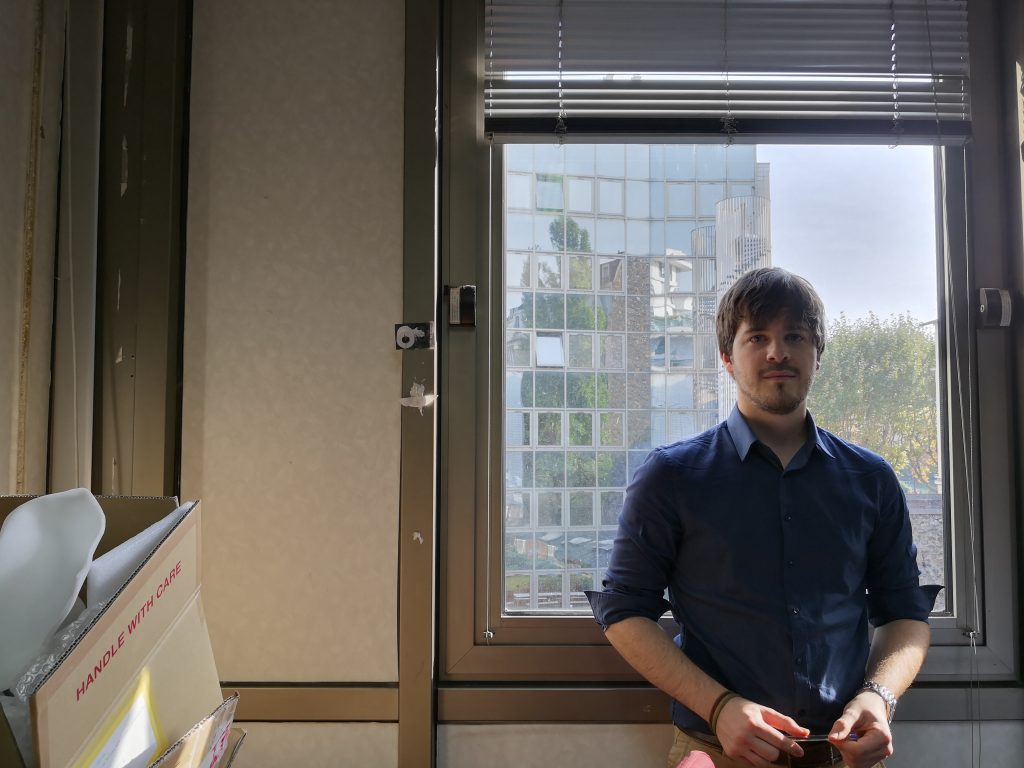
In our challenging backlit portrait scene, the Mate 10 Pro ensured a good exposure in both the darker and brighter regions for a well-balanced final result.
Texture remains very acceptable on static scenes shot under indoor lighting conditions, and it’s only in very low-light conditions where the loss of fine detail becomes more significant. Scenes with motion are a little more challenging for the Mate 10 Pro, so if you’re after super-sharp shots that include movement, try to shoot in good light. White balance is again accurate and repeatable in low light, with that slightly warm but pleasant color cast evident. Color rendering, particularly in indoor lighting conditions, is very strong, and although a little less saturated in extreme low light, it remains very acceptable.
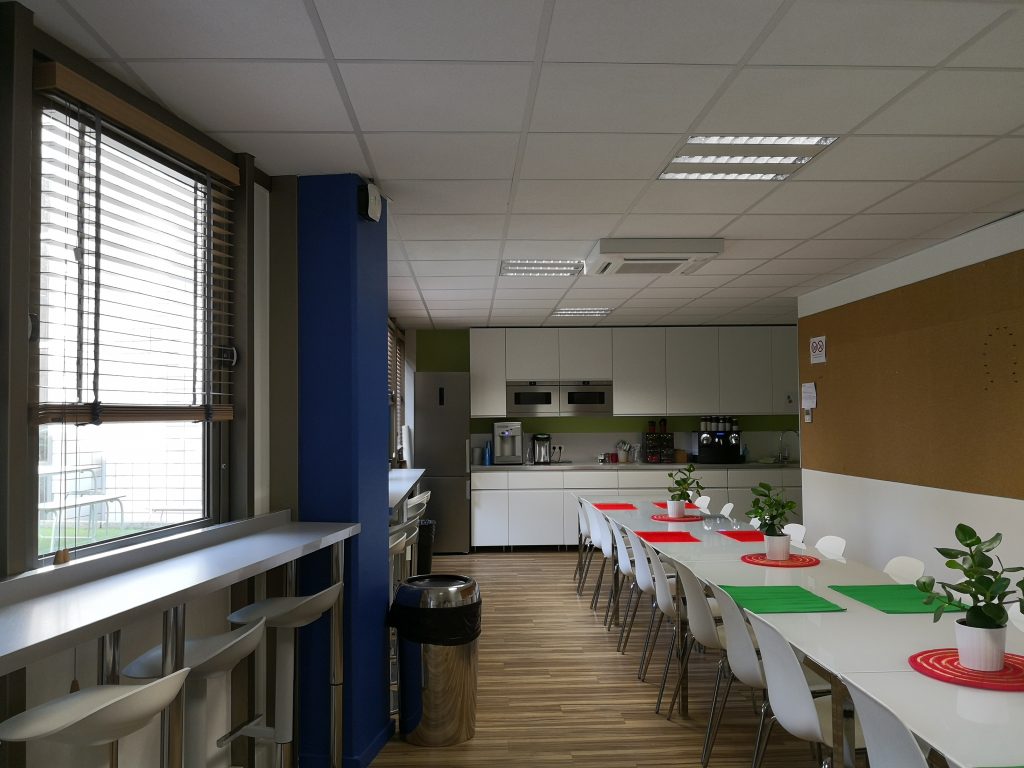
Exposures are particularly good indoors, with nice brightness, well saturated color and good levels of detail — especially in static scenes.
Overall flash results on the Mate 10 pro are excellent, producing nice exposures with accurate white balance and color rendering, as well as good detail preservation. The flash output is well-centered in the frame, with good frame coverage ensuring nice lighting in the corners. Using flash in very low-light conditions, some luminance noise is visible in the shadow regions, but overall white balance, color rendering, and detail preservation remain good.

The Mate 10 Pro’s dual-tone LED flash module provides good frame coverage, pleasant exposures, and nice color in both flash-only and mixed lighting shots.
Zoom and Bokeh
When zooming, the Huawei Mate 10 uses the high 20Mp resolution of its secondary monochrome sensor and computational imaging to capture a high-quality digital zoom image. With a 2x zoom factor, detail preservation is not quite as good as on devices using optical zoom, such as the Apple iPhone 8 Plus and the Samsung Galaxy Note 8, but it’s not far off and is noticeably better than the single-lens Google Pixel camera. Loss of detail becomes more evident when you push the zoom slider beyond the 2x setting, though. You’ll also find noisy edges and some ringing in zoom photos.
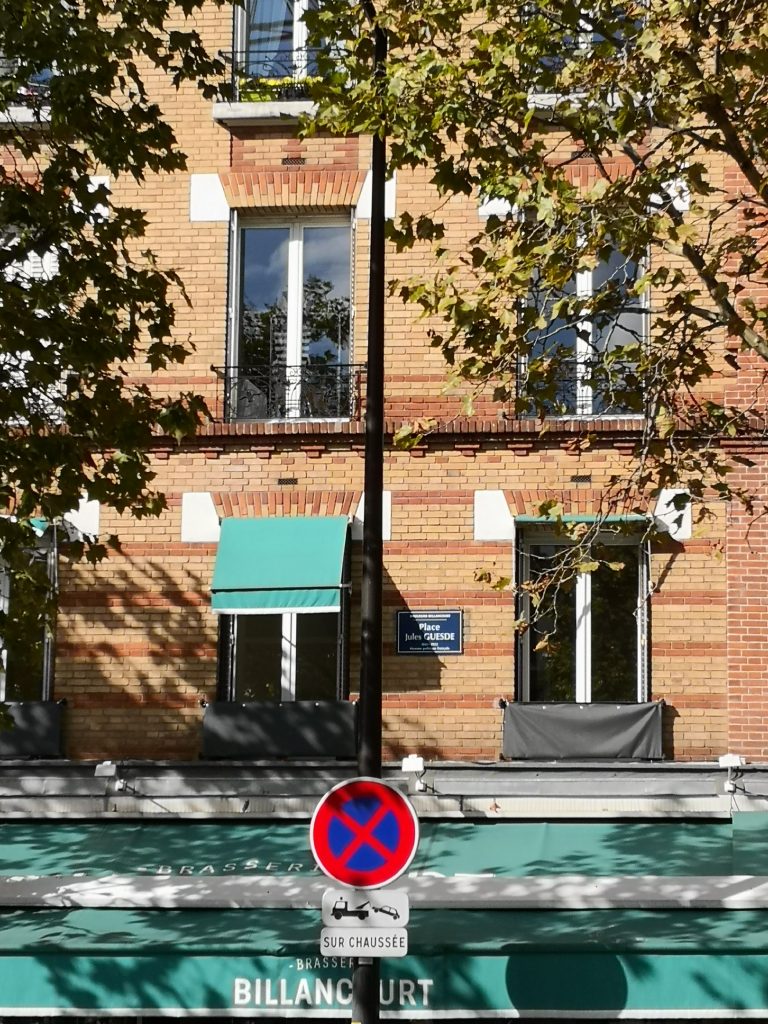
Huawei Mate 10 Pro, 2x zoom
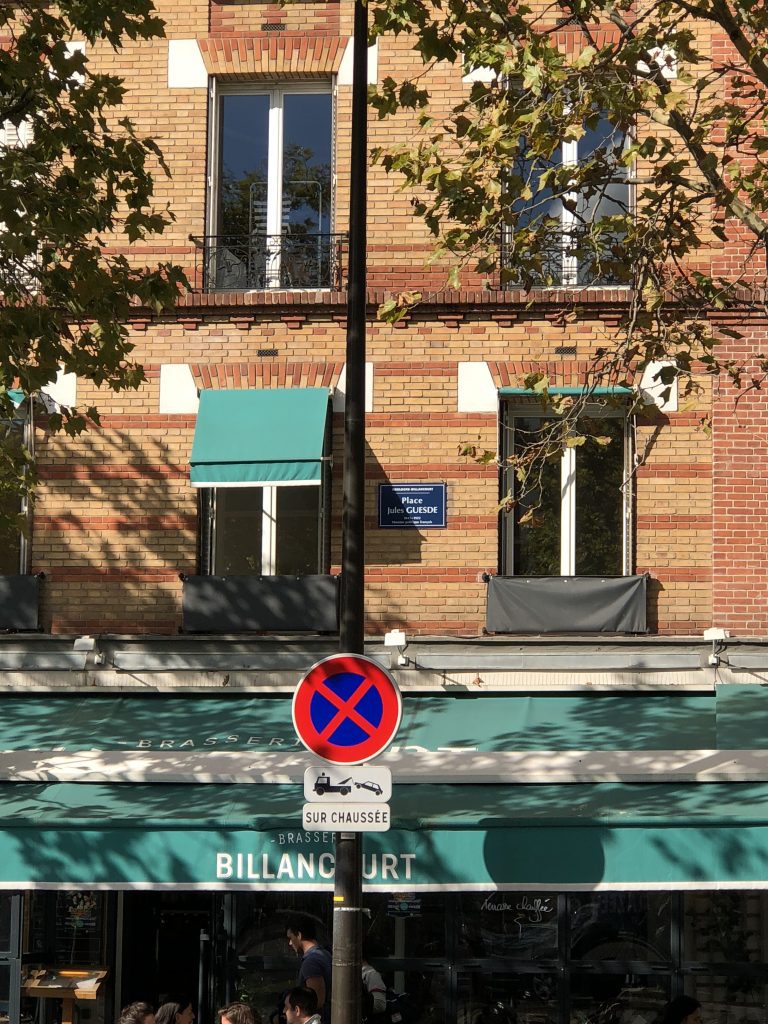
Apple iPhone 8 Plus, 2x Zoom
Google Pixel, 2x Zoom
With its Wide Aperture mode enabled, the Huawei Mate 10 Pro is capable of creating a bokeh effect with accurate depth estimation and good subject isolation that is even a touch better than the iPhone 8 Plus’s Portrait mode. Wide Aperture also detects other objects in the focal plane in addition to the main subject, and delivers repeatable and stable results. There are some artifacts visible under closer inspection, though, and some images taken in bright light show a degree of underexposure.

Huawei Mate 10 Pro Wide Aperture mode.

Apple iPhone 8 Plus Portrait mode.
Video
The Huawei Mate 10 Pro’s video footage shows good exposure, low levels of noise, pleasant colors, and accurate white balance in all light conditions. The autofocus works fast and accurately, with good tracking, and the video stabilization efficiently counters camera motion. On the downside, texture levels are quite low in all light conditions: under tungsten lighting, footage shows a noticeable orange cast, and there is some visible highlight clipping in high-contrast scenes. Some slight low-frequency residual motion is still visible despite the video stabilization.
Conclusion: Dual-camera in a different (but excellent) way
With its RGB/monochrome dual-camera concept, Huawei is following a different concept than most other manufacturers, but the Mate 10 Pro’s class-leading still image results show that the Chinese manufacturer is on the right path, and that good zoom and bokeh results can be achieved without a longer focal length on the secondary camera. The Mate 10 Pro is no slouch in video mode, either. It’s not quite on the same outstanding level as for stills, but is nonetheless capable of delivering a very solid video performance all around.
Pros
- Good detail preservation, even in low light, and low levels of noise
- Good target exposure and wide dynamic range
- Very fast and repeatable autofocus
- Good detail preservation in 2x zoom shots
- Good bokeh simulation with nice subject isolation
Pros
- Fast and accurate autofocus with good tracking
- Good motion reduction in all lighting conditions
- Pleasant colors and accurate white balance in all lighting conditions
- Good exposure
- Generally low noise levels
Cons
- Occasional exposure instabilities in consecutive shots
- Blocking artifacts sometimes visible in the sky
- Occasional hue shift close to saturation
Cons
- Slightly low texture detail in all lighting conditions
- Slight lack of dynamic range in high-contrast scenes
- Visible orange color cast under tungsten light sources
Please note that we have produced this review in a concise format. We will add more detailed information on test results and additional sample images very soon.
Comments
Post a Comment
Please comment your views and ideas.