
Asus Zenfone 4 Selfie dual review: Yet another selfie-centric smartphone!
Taiwan is not only the land famous for Hello Kitty obsession; it has also developed a reputation as the inception point of some of the greatest and most unique smartphones to ever hit the market. Taiwanese brands including HTC and Asus have not only proved their mettle against South Korean giant Samsung but they have also offered some of the most enticing technologies to consumers globally.
Asus is one of the most popular brands from the region which has started receiving an astounding response from consumers much recently. Asus has always worked equally on quality and aesthetics of its smartphones.
Its recent release is the Asus Zenfone 4 Selfie Series. The latest mobile phone series envelope three devices which include Asus Zenfone 4 Selfie Pro, Asus Zenfone 4 Selfie with dual camera and Asus Zenfone 4 Selfie.
If the branding of the devices isn't enough for you, the smartphones focus on taking outstanding self-portraits. We got our hands on the humbly priced dual camera spin-off, the Asus Zenfone 4 Selfie with dual front cameras.
The smartphone retails in India for Rs. 14,999, however, Flipkart will let you grab the device for a thousand bucks shy of the current price on Big Billion Sale.
Let's rush into the review of the device and find out if Asus has its game figured out well enough or is it giving in to the increasing competition projected from its neighboring rivals.
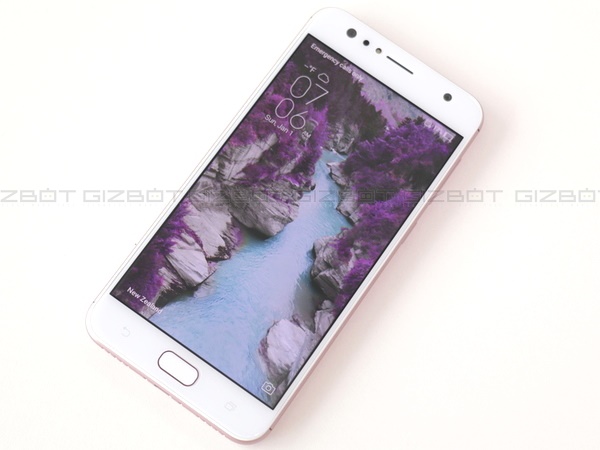
Rating:
3.5/5
Specifications: Reliable Snapdragon 430
Asus Zenfone 4 Selfie with dual front cameras is powered by Qualcomm Snapdragon 430 octa-core Soc. The smartphone has 4GB of RAM with 64GB internal storage.
The dual camera smartphone has a 20MP front snapper clubbed with an 8MP wide angle lens. It has a rear camera of 16MP and aperture value of f/2.2.
The device has a 5.5-inch HD IPS LCD display with a resolution of 1280X720 pixels. It has a 3,000mAh battery and USB 2.0 support. The smartphone runs Android Nougat while the GUI on the device is Asus cultivated ZenUI 4.0.
Snapdragon 430 clubbed with 4 gigs of RAM is possibly the most common combination in the price segment of Rs.12,000- Rs.15,000. Not only is it widely used but is also reliable. However, we believe Asus could have upgraded to Snapdragon 435 which is conclusively a better performing processor. Moreover, Asus Zenfone 3 series is also dominantly covered by the 430.
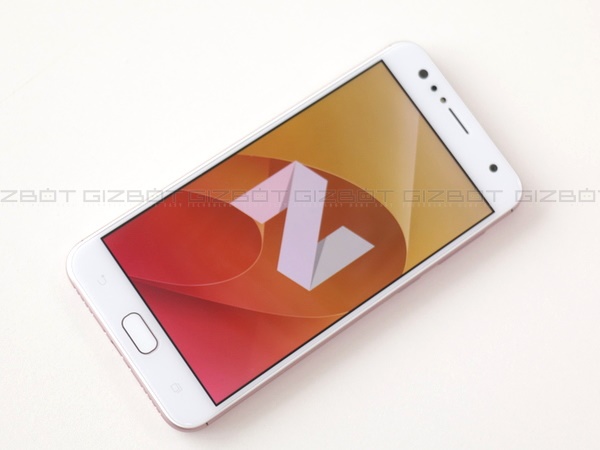
The Zenfone 4 Selfie with dual front camera has a metallic unibody and has a beautiful overall design. The device has two self portrait cameras on the top of the front panel. It has an elongated yet slim carving for earpiece. It also has a single LED flash on the front panel.
The home button is at the bottom of the front panel that doubles up as a fingerprint sensor. Two capacitive touch buttons are placed on the either side of the home button. These are the back and multitasking buttons.
The back panel of the device houses the rear camera behind a shiny topping. A single LED flash lies adjacent to the camera. The brand's logo is engraved with a lustrous finish a few clicks below the camera.
The right side edge of the device has a volume rockers and the power button. The left side edge houses the SIM tray. The speakers are on the base edge behind grills. The micro USB 2.0 port finds a spot on the base edge as well. The 3.5 mm audio jack is at the top.
The device is none less than a stunner and the two colors, viz. Rose Pink, Sunlight Gold and Deepsea Black, that it comes in add up to its aesthetics. It feels a bit heavy compared to even metallic smartphones in the price range. None the less, it is easy to handle and has a trimmed girth for a better grip. The corners of the smartphone are rounded where as the edges are slightly outbound.
I really loved the Deepsea Black shade. It gives the smartphone a shade unlike any of its competitors.
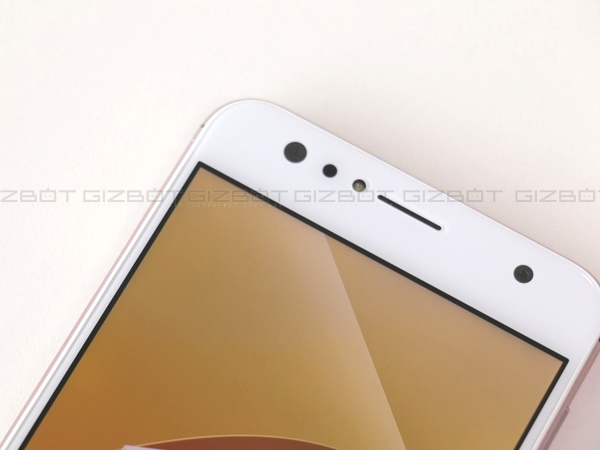
The Asus Zenfone 4 Selfie with dual front cameras gives selfie lovers a reason to ditch their average smartphone cameras. The 20 MP front camera captures bright stills with an optimum quality and pleasing saturation. It is also great for taking pictures in dim light. The front flash on the smartphone managed to impress me. The flash fires with a bright light but the pictures do not have a blown out exposure.
The camera also manages to retain optimum highlights even with overexposed background. The highlight of the device, the wide angle 120 degree field of view camera is efficient enough of snapping pictures with a small group up close. It also gives you a creative free hand of trying the wide field of view in various ways.
The 16MP rear camera on the device has a crisp focus. It manages to pull out pictures with naturally popping colors under optimum amount of light. It is also capable of cutting out overexposure quite effectively.
The rear camera fails to maintain a uniform under dim light. The pictures developed in low light are noisier than you would actually expect them to be. The rear flash fails to offer the quality the front flash quite easily manages to retain.
The smartphone has a great front camera setup. The added benefit of a wide angle lens doubles up its likeability.
Comments
Post a Comment
Please comment your views and ideas.